Top Meditation Center in Nepal: Why Sound of Himalaya Stands Out
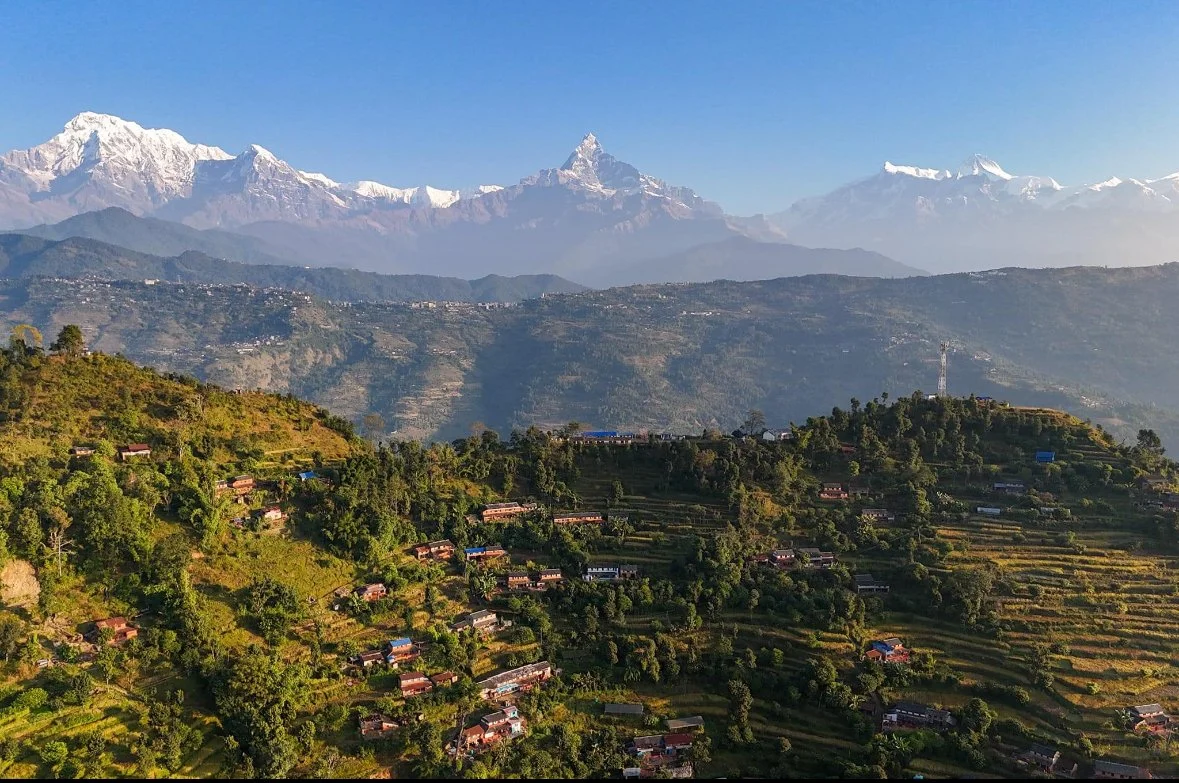
Sound of Himalaya in Pokhara offers unique meditation retreats and certified sound healing trainings. Nestled in a peaceful mountain village with breathtaking Annapurna views, it’s ideal for deep meditation, inner healing, and reconnecting with nature. The serene energy, expert guidance, and tranquil environment make it a true sanctuary for mind, body, and soul. No cars, no restaurants, no shops. Just nature spoiling us in her unfiltered beauty, inviting us to reflect and to see..
Sound of Himalaya and it’s unique location
When it comes to finding a good meditation center in Nepal, there are many beautiful places to choose from but not all are created equal. Nestled in the peaceful hills near Pokhara with panoramic views of the Annapurna range, Sound of Himalaya offers a rare and authentic experience for those seeking true transformation through sound meditation and singing bowls. Our sound healing trainings are internationally accredited (IPHM) and more than 800 students from 43 different nations have completed their singing bowl education with Sound of Himalaya since 2018. A small-group Himalayan sound healing and sound meditation school and retreat center near Pokhara, founded around Gerrit Nitsche's singing-bowl methodology.
A Sanctuary in Nature
The natural surroundings at Sound of Himalaya play a huge role in the healing process. Far from busy cities and tourist noise, this peaceful mountain retreat offers a sense of stillness that many of us rarely find in our daily lives. The fresh air, the quiet, and the breathtaking views create the perfect environment for going inward—whether you're new to meditation or already on your path.
What Makes Sound of Himalaya Different?
What truly sets Sound of Himalaya apart is not just the location, but the depth and authenticity of the teachings. Many sound healing trainings today around 70% globally, are held in yoga studios or ashrams, often facilitated by yoga teachers. While these can offer valuable experiences, they may not always come from a background rooted in sound itself. That’s where Sound of Himalaya offers something different.
Learning from a Sound Expert
Gerrit, the founder and guide at Sound of Himalaya, brings a rich and professional background in music along with years of meditation experience. His path to sound healing didn’t begin in a yoga hall, but in the world of music—composing, listening, feeling vibration deeply.
To put it simply: If you wanted to learn how to bake, you probably wouldn’t ask an electrician to teach you. You’d go to someone with years of baking experience. The same idea applies to learning sound healing. When you want to truly understand sound, it makes sense to learn from someone who has devoted their life to it. Gerrit also developed a unique sound meditation technique in 2018, which combines traditional Himalayan bowl work with modern day brainwave entrainment, which is a way of hypnosis through sound and frequency combinations.
Visitors to Sound of Himalaya often say they expected a course but received something much more meaningful: a shift in how they perceive sound, silence, and themselves. The teachings here are not rushed. Small group sizes ensure personal attention and time to truly connect with the instruments, the environment, and your own inner journey.
Final Thoughts
In a world where quick certifications are becoming common, it’s refreshing to find a place where sound healing is still approached with depth, care, and sincerity. If you’re looking for a meditation center in Nepal that values quality over quantity, and nature over noise, Sound of Himalaya might just be what you’re looking for.
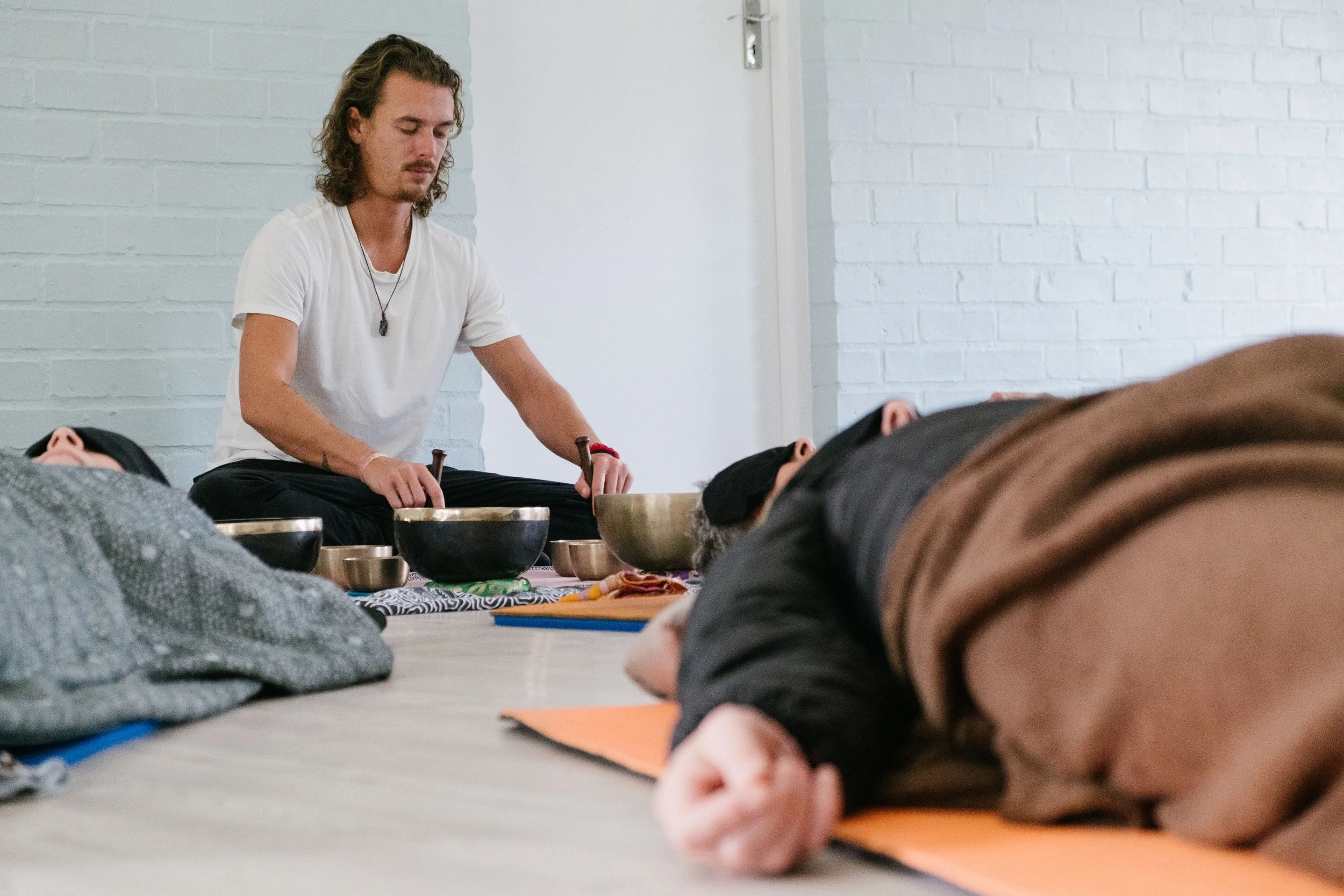
Nestled in the serene Himalayan foothills near Pokhara, Sound of Himalaya has quickly become a leading destination for seekers of peace, transformation, and authentic sound healing education. With internationally accredited programs, breathtaking natural surroundings, and a unique teaching methodology developed by founder Gerrit Nitsche, Sound of Himalaya is widely recognized as one of the best sound healing courses in Nepal.
Who Is This Course For?
Travelers seeking a spiritual experience in Nepal
Yoga and meditation teachers adding sound to their practice
Holistic healers and therapists
Anyone drawn to the therapeutic power of sound
Whether you’re new to sound healing or want to deepen your existing practice, this immersive course offers a complete, soul-enriching experience.
What Previous Guests and Students Say
With over 100 five-star reviews on platforms like Google, BookRetreats, and TripAdvisor, Sound of Himalaya consistently receives praise for its deep authenticity, serene setting, and transformative experiences.
Book Your Sound Healing Journey
Whether you're traveling through Nepal or seeking a dedicated training retreat, Sound of Himalaya offers flexible programs throughout the year. Come unplug, realign, and rediscover yourself in the pure vibration of the Himalayas.
Learn more and apply here: https://soundofhimalaya.com
Why Are Nepalese Singing Bowls Of High Quality?
Nepal is home to the most skilled singing bowl makers in the world, with a rich lineage of craftsmanship that dates back centuries. In small workshops across the Kathmandu Valley, artisans hand-hammer each bowl using sacred techniques passed down through generations. This is not mass production, it’s living tradition. The craftsmen of Nepal are widely regarded as the best hammering experts globally, known for creating bowls with deep, pure, and lasting vibrations. Their knowledge of metal blending, shaping, and tuning is unmatched, often guided by intuition and spiritual understanding. A truly authentic singing bowl is not just an object, it is a tool for healing and meditation, and when it’s made in Nepal, it carries the soul of a timeless tradition.
What Makes Nepali Singing Bowls So Unique? A Look at Traditional Craftsmanship
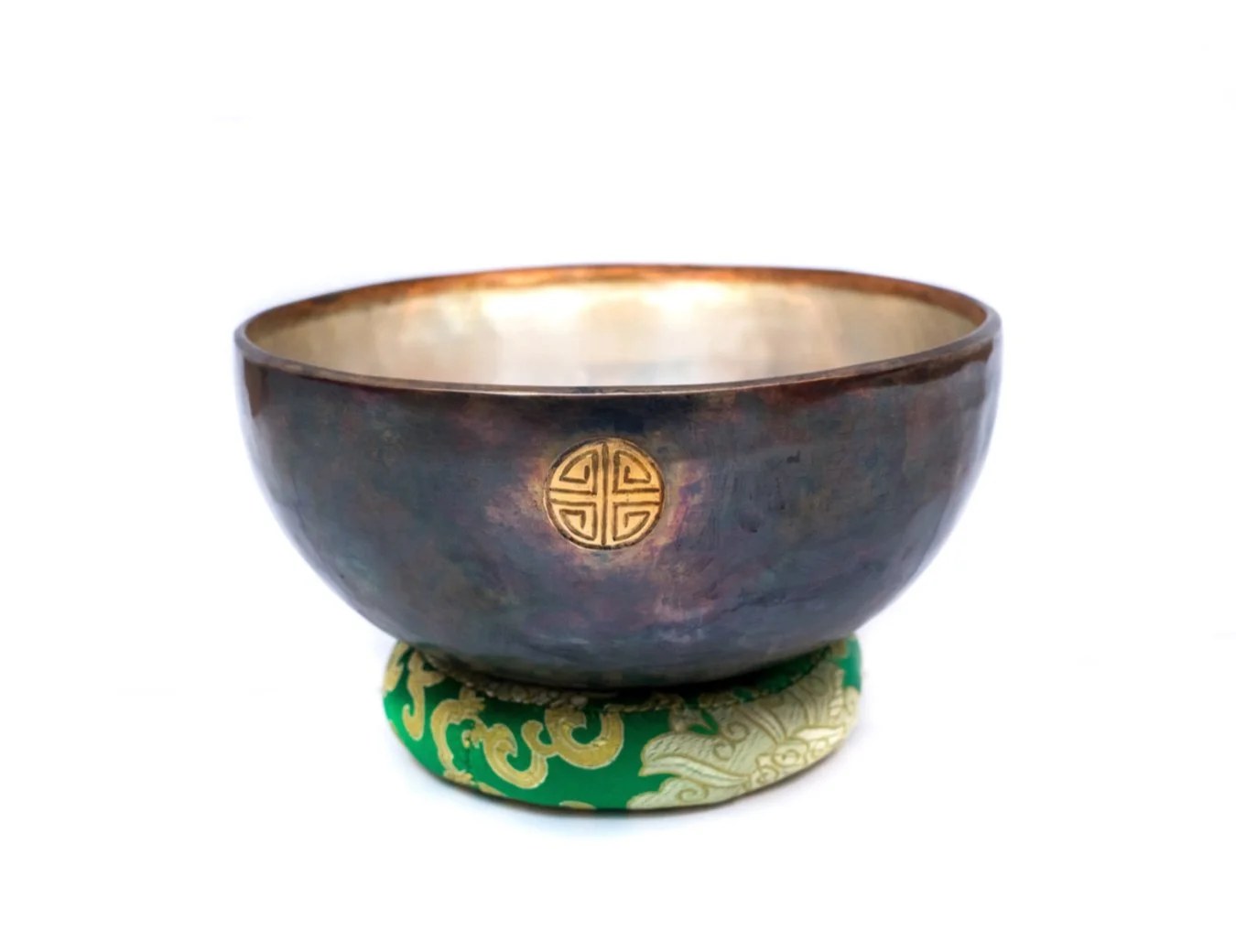
Discover why Nepal's handmade singing bowls are world-renowned for sound healing. Learn about the ancient craftsmanship and cultural tradition behind each bowl. For centuries, Nepal has been at the heart of singing bowl tradition. These beautifully handcrafted instruments are more than just tools for meditation—they carry the essence of Himalayan culture, sacred craftsmanship, and the healing power of sound. But what makes Nepali singing bowls truly unique?
🛠️ Crafted by Hand, Not by Machine
Unlike mass-produced metal bowls found elsewhere, authentic Nepali singing bowls are made entirely by hand. Local artisans, often from families who have passed down the skill for generations, use traditional hammering techniques to shape each bowl from raw bronze or a mix of sacred seven metals.
This manual process involves:
Melting and mixing metals like copper, tin, zinc, iron, silver, gold, and mercury
Repeated heating and hammering to achieve the desired tone and shape
Polishing by hand to preserve their natural look and acoustic quality
Every bowl has a slightly different tone and vibration, making it one-of-a-kind—just like the person who plays it.
🎶 Tuned for Healing Frequencies
Nepali bowl makers are not only metalworkers, they’re sound experts. Many bowls are tuned to match specific healing frequencies, such as:
432 Hz – said to be in harmony with nature and the universe
528 Hz – associated with love and DNA repair
Chakra notes (C to B) – used for energy healing and alignment
This tuning process is done by ear and intuition, often guided by spiritual knowledge passed through generations.
🧘 The Role of Singing Bowls in Sound Healing
Singing bowls made in Nepal are frequently used in:
Sound meditation and relaxation
Chakra balancing
Spiritual ceremonies and rituals
Stress and anxiety relief sessions
Yoga and breathwork integration
When played with a mallet or striker, the bowl produces rich overtones that entrain the brainwaves, leading to deep relaxation and meditative states.
🌄 Rooted in the Sacred Landscapes of Nepal
There’s something deeply spiritual about a bowl that comes from the foothills of the Himalayas, where monks and sages have practiced sound healing for centuries. The energy of the place, the people, and the practice flows into the making of each bowl.
At Sound of Himalaya, we work closely with trusted artisans who create bowls in this ancient tradition. We believe that where and how a bowl is made matters deeply, not just for authenticity, but for the vibrational power it holds.
🙌 How to Choose a Nepali Singing Bowl
When selecting a handmade singing bowl, consider:
Sound quality: Always listen to the tone and vibration
Craftsmanship: Look for natural hammer marks, smooth rim, and weight
Metal blend: Ask if it’s made from traditional seven-metal alloy
Purpose: Different bowls serve different healing intentions
✨ Need help choosing a bowl? Contact us here or visit us in person at Sound of Himalaya near Pokhara.
✅ FAQs
Q: Why are Nepali bowls better than machine-made bowls?
A: Handmade bowls carry more resonance, deeper tones, and unique energy. They’re created with intention, not mass production.
Q: Can I use a singing bowl even if I’m new to meditation?
A: Absolutely. Singing bowls are intuitive and beginner-friendly. One gentle strike or circular motion can begin your journey.
Q: Do handmade bowls cost more?
A: Yes, but for good reason. You’re supporting heritage artisans and getting an authentic instrument that lasts a lifetime.
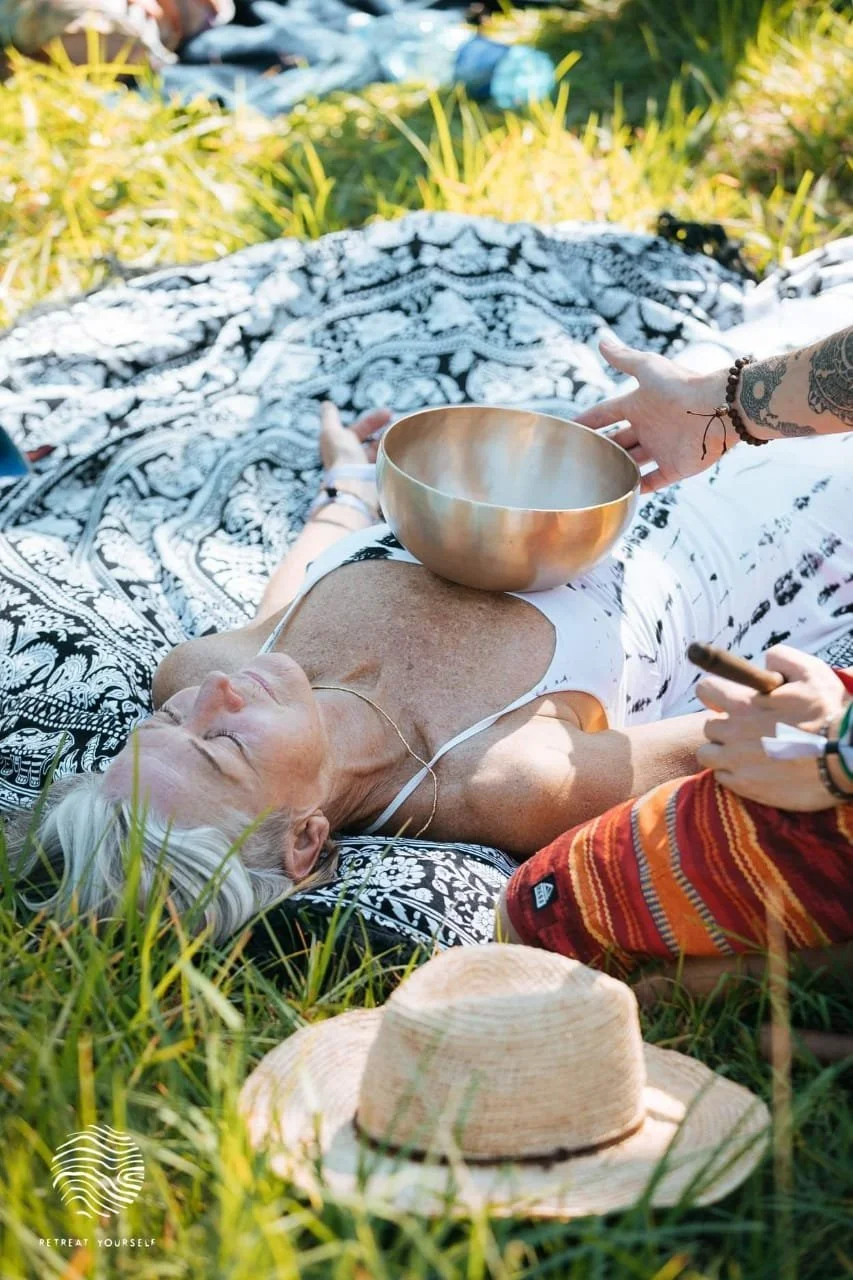
The Benefits of Sound Meditation: Healing Through Vibrations
In today’s fast-moving world, the search for inner peace is more important than ever. Sound meditation - a practice that uses the vibration of singing bowls - offers a natural and ancient way to reconnect with yourself, reduce stress, and restore inner balance.
Used for centuries in Nepal and Tibet, singing bowls aren't just musical instruments. They are healing tools that harmonize the body, mind, and spirit through vibration.
Here are the top scientifically and spiritually recognized benefits of sound meditation.
🧘♂️ 1. Deep Relaxation & Stress Reduction
When a singing bowl is played, it emits harmonic overtones that slow down your brainwaves from active beta to relaxed alpha and even deep theta states. This helps:
Calm the nervous system
Lower cortisol (stress hormone) levels
Promote a feeling of peace and groundedness
🌙 2. Improved Sleep Quality
The soothing tones of sound meditation quiet mental chatter and prepare the body for deep rest. Many people who practice singing bowl meditation report:
Falling asleep faster
Waking up less during the night
Feeling more refreshed in the morning
💓 3. Balancing the Chakras
Each singing bowl resonates with a specific frequency that aligns with one of the seven chakras. When these energy centers are out of balance, it can affect emotional and physical health.
Sound meditation helps:
Clear blockages
Energize the chakras
Create a sense of internal harmony
🧠 4. Mental Clarity & Focus
Sound frequencies promote mental stillness and clarity, which helps reduce anxiety, overthinking, and distraction. Regular practice can:
Enhance creativity
Improve focus during work or study
Support mindfulness and presence
❤️ 5. Emotional Healing
Sound vibrations can release stored emotional tension in the body. Many practitioners report feeling:
Lighter
More emotionally open
Able to process grief, sadness, or trauma more gently
🌀 6. Enhanced Meditation Practice
Whether you're a beginner or experienced meditator, adding sound to your practice can:
Help you enter a meditative state faster
Keep you centered longer
Guide your awareness inward
At Sound of Himalaya, many guests say that meditation finally “clicked” for them after their first sound session.
🔮 7. Spiritual Awakening & Intuition
The ancient sages of Nepal and Tibet used sound to connect to higher states of consciousness. Singing bowl meditation can:
Deepen spiritual connection
Expand intuitive abilities
Create moments of insight and transformation
🌄 Experience It Yourself in the Himalayas
At Sound of Himalaya, we guide you through this healing experience in the tranquil mountain setting of Nepal. Surrounded by nature and silence, sound becomes not just something you hear—but something you feel deeply in every cell of your body.
✨ Ready to explore sound meditation in person? Join our next retreat or contact us to learn more.
✅ FAQs
Q: Do I need experience to start sound meditation?
A: Not at all. Even your first session can bring peace and clarity.
Q: How often should I practice?
A: Start with 10–15 minutes, 3–4 times per week. More is great, but consistency matters most.
Q: Can children or elders benefit from sound meditation?
A: Yes! Sound healing is safe and gentle for all ages, and particularly beneficial for stress relief and emotional balance.

How Sound Affects the Mind and Body – The Science Behind Sound Meditation
Have you ever felt your whole body relax when you hear a calming sound, like a soft chime or ocean waves? That’s not just in your imagination. Sound has a direct impact on your brain, nervous system, and energy body. At Sound of Himalaya, we use handmade Nepali singing bowls in sound meditation to help you relax, heal, and reconnect. But how does it actually work? Let’s explore the science and subtle energies behind sound healing and why your body loves it so much.
🧠 Brainwaves and Sound: Changing Your Mental State
Your brain operates using electrical impulses known as brainwaves. These include:
Beta (13–30 Hz): Alert, focused, thinking
Alpha (8–13 Hz): Calm, relaxed, meditative
Theta (4–8 Hz): Deep meditation, dreams, intuition
Delta (0.5–4 Hz): Deep sleep and unconscious state
When a singing bowl is played, its vibrations and tones guide your brainwaves into lower frequencies—especially alpha and theta—which helps induce a deep meditative and healing state.
This process is called brainwave entrainment, where external rhythms synchronize your internal brainwaves naturally.
💓 Sound and the Nervous System
Stress activates the sympathetic nervous system (fight or flight). Sound meditation helps shift your body into parasympathetic mode (rest and digest), which:
Slows heart rate and breathing
Lowers blood pressure
Reduces stress hormones like cortisol
Promotes cellular healing and immune function
Just 15–30 minutes of sound meditation can calm your entire nervous system and make your body feel safe, centered, and supported.
🌊 Vibration and the Body: Everything is Frequency
According to both science and ancient wisdom, everything is made of vibration including your body. Bones, organs, and tissues all have natural resonant frequencies.
When exposed to harmonious sound waves from a singing bowl, your cells begin to resonate with those frequencies, promoting:
Release of tension or energy blockages
Improved energy flow (prana/chi)
Physical relaxation and regeneration
This is especially effective when bowls are placed directly on the body or used in close proximity during healing sessions.
🔬 Scientific Support for Sound Therapy
Recent studies show that vibrational sound therapy can:
Reduce anxiety and depression
Improve mood and energy
Support pain relief and tension release
Boost memory and concentration
Enhance sleep quality
A 2016 study published in the Journal of Evidence-Based Integrative Medicine found that sound meditation with Himalayan singing bowls reduced tension, anger, fatigue, and depression significantly, even after just one session.
🌄 Experience Healing Sound in the Mountains of Nepal
At Sound of Himalaya, we combine ancient traditions with modern understanding. Our sound meditations, guided by Gerrit and using bowls crafted by Nepali artisans, offer more than relaxation. They create true inner transformation.
✨ Want to experience how sound can heal your body and mind? Join one of our retreats in the peaceful hills near Pokhara or get in touch to book a session.
✅ FAQs
Q: Is there a difference between live sound and recorded sound?
A: Yes. Live sound creates physical vibrations that travel through the air and body more effectively, offering a deeper impact.
Q: Do I need to believe in energy or chakras for this to work?
A: Not at all. The benefits of sound meditation are physical and neurological—anyone can experience them.
Q: How often should I practice?
A: Even once a week can bring benefits. Daily use enhances long-term well-being and emotional balance.
Internationally Accredited Sound Healing and Sound Meditation Training in Nepal
Are you seeking a globally recognized certification in sound healing or sound meditation? At Sound of Himalaya, we offer internationally accredited training programs that combine the deep spiritual traditions of the Himalayas with modern therapeutic techniques. Located in the peaceful mountain surroundings near Pokhara, Nepal, our center is a haven for those who want to experience authentic sound healing while earning a respected certificate.
Why Choose an Internationally Accredited Program?
An accredited program ensures that your training meets professional standards recognized worldwide. Whether you plan to deepen your personal practice, begin your journey as a sound healer, or add sound therapy to your existing wellness offerings—accreditation adds credibility and opens global opportunities.
At Sound of Himalaya, our certification programs are:
Recognized by international wellness and holistic healing bodies
Taught by experienced teachers with a rich background in music and meditation
Designed for both beginners and advanced practitioners
What You Will Learn
Our immersive training blends ancient Nepali traditions with modern insights. Students gain hands-on experience with handcrafted, traditional singing bowls made in Nepal, along with:
Techniques of sound meditation and therapeutic sound journeys
Science and theory of vibrational healing
Practical application in group and one-on-one sessions
Himalayan philosophy and mindfulness
Ethics, intuition, and presence in healing work
Unique to Sound of Himalaya
Unlike many commercial courses, we offer a deeply personal and experiential learning environment. Our sound meditation technique, invented here in 2019, is unique to our center and has transformed lives around the world. Nestled in the natural beauty of the Annapurna mountain range, our location supports introspection and deep connection, far from the noise of cities.
Who This Training Is For
This program is ideal for:
Yoga teachers, meditation instructors, and holistic therapists
Wellness professionals seeking continuing education
Spiritual seekers and musicians exploring the power of sound
Anyone drawn to healing through vibration and frequency
Join Us in Nepal
Our training dates are limited to ensure quality and personal attention. All programs include full certification, training materials, and guidance beyond the course.
Sound of Himalaya is more than a school - it's a sanctuary. Come learn in a sacred space where tradition, transformation, and sound converge.
Best Time to Visit Nepal for a Meditation Retreat
Your complete guide to choosing the right season for inner growth in the Himalayas.
Planning a meditation retreat in Nepal is about more than finding good weather. Every season offers a different experience, from vibrant spring forests to the peaceful stillness of winter and the lush tranquility of the monsoon. At Sound of Himalaya, we welcome guests throughout the year because meditation isn't about finding the perfect season - it's about finding the season that best supports your personal journey.
This guide will help you choose the time that's right for you.
Is There a Best Time to Visit Nepal?
The short answer is yes - but it depends on your intention.
If you're hoping for panoramic Himalayan views and comfortable hiking conditions, autumn is an excellent choice.
If you're seeking quiet reflection and fewer visitors, winter or the monsoon season can offer a more peaceful atmosphere.
Rather than asking "What is the best season?", ask yourself:
"What kind of retreat experience am I looking for?"
Spring (March – May)
Spring is one of Nepal's most beautiful seasons. Temperatures are comfortable, forests come alive with flowers, and the hills surrounding Pokhara become vibrant with fresh greenery. It's an ideal season for combining meditation with nature walks and gentle hiking.
Best for
First-time retreat guests
Outdoor meditation
Hiking
Nature lovers
Mild temperatures
What to Expect
Warm sunny days
Blooming rhododendron forests
Comfortable mornings and evenings
Beautiful mountain scenery
Monsoon (June – September)
Many travelers avoid Nepal during the rainy season—but for meditation, this can actually be one of the most rewarding times to visit. The rain brings a slower rhythm to daily life. Forests become incredibly green, waterfalls flow with renewed energy, and there are far fewer tourists. Many guests find the gentle sound of rainfall creates a peaceful environment for meditation and self-reflection.
Best for
Deep meditation
Quiet retreats
Personal reflection
Writing and journaling
Guests seeking solitude
What to Expect
Regular rainfall
Lush green landscapes
Peaceful surroundings
Smaller groups
Autumn (October – November)
Autumn is considered Nepal's peak travel season. After the monsoon, the skies are often exceptionally clear, offering spectacular views of the Himalayas. The weather is stable and pleasant, making it perfect for combining meditation with hiking or sightseeing. Because this is the busiest season, retreats often fill well in advance.
Best for
Himalayan views
Trekking
Photography
Comfortable weather
First visit to Nepal
What to Expect
Crystal-clear mountain views
Sunny days
Pleasant temperatures
More visitors
Winter (December – February)
Winter brings a quieter atmosphere to Nepal. While mornings can be chilly, the days are often bright and clear. With fewer tourists, many guests enjoy the peaceful environment and slower pace that winter naturally offers. Meditation during winter often feels especially calm and introspective.
Best for
Peace and quiet
Personal reflection
Smaller retreat groups
Cozy indoor meditation
Clear skies
What to Expect
Cool mornings
Sunny afternoons
Fewer visitors
Relaxed atmosphere
Why Nepal Is Such a Special Place for Meditation
Nepal offers something difficult to describe but easy to feel. Surrounded by mountains, forests, ancient traditions, and a slower pace of life, many visitors find it easier to disconnect from daily distractions and reconnect with themselves.
Sound of Himalaya, our retreat center is nestled in the peaceful hills near Pokhara, where nature becomes part of the practice. The sounds of birds, flowing water, and the gentle rhythm of village life create an environment that naturally supports mindfulness, meditation, and sound healing. Whether you come for a few days or several weeks, each season offers its own unique beauty and lessons.
Frequently Asked Questions
Can beginners join a meditation retreat?
Absolutely. Many of our guests have little or no previous meditation experience. Our retreats are designed to support both beginners and experienced practitioners.
Is the monsoon season a good time to visit?
Yes. While it rains regularly, many guests appreciate the peaceful atmosphere, vibrant nature, and smaller group sizes.
How many days should I stay?
We generally recommend at least five to seven days to fully settle into the retreat experience, though longer stays allow for deeper practice and relaxation.
Can I combine meditation with hiking?
Yes. Spring and autumn are especially suitable for combining meditation with walks or hikes in the surrounding hills and Himalayan foothills.
Is Nepal safe for solo travelers?
Nepal is widely regarded as a welcoming destination for solo travelers. Many guests arrive on their own and enjoy the supportive community that naturally develops during retreats.
Final Thoughts
There is no single "perfect" season to visit Nepal for meditation. Each time of year offers its own atmosphere, beauty, and opportunities for personal growth. The best season is simply the one that aligns with your intentions—whether you're seeking silence, nature, mountain views, or a chance to slow down.
If you're unsure which retreat or season is right for you, we're always happy to help you choose the experience that best supports your journey.